
Book Recommendations
Books that have shaped how we think about carnivore ecology, wildlife management, human–wildlife conflict, field research, and coexistence.
Reading beyond the headlines
Large-carnivore issues rarely have simple answers. The books on this page combine scientific research, professional experience, history, policy, and firsthand accounts to help readers understand both wildlife and the people who share landscapes with it.
These are not endorsements of every claim or conclusion made by every author. They are works we have found useful, thought-provoking, or important for understanding the many perspectives involved in carnivore conservation and conflict management.
Wildlife management is also about people
Biology explains only part of a wildlife conflict. Values, trust, institutions, livelihoods, risk, and communication shape whether management succeeds.
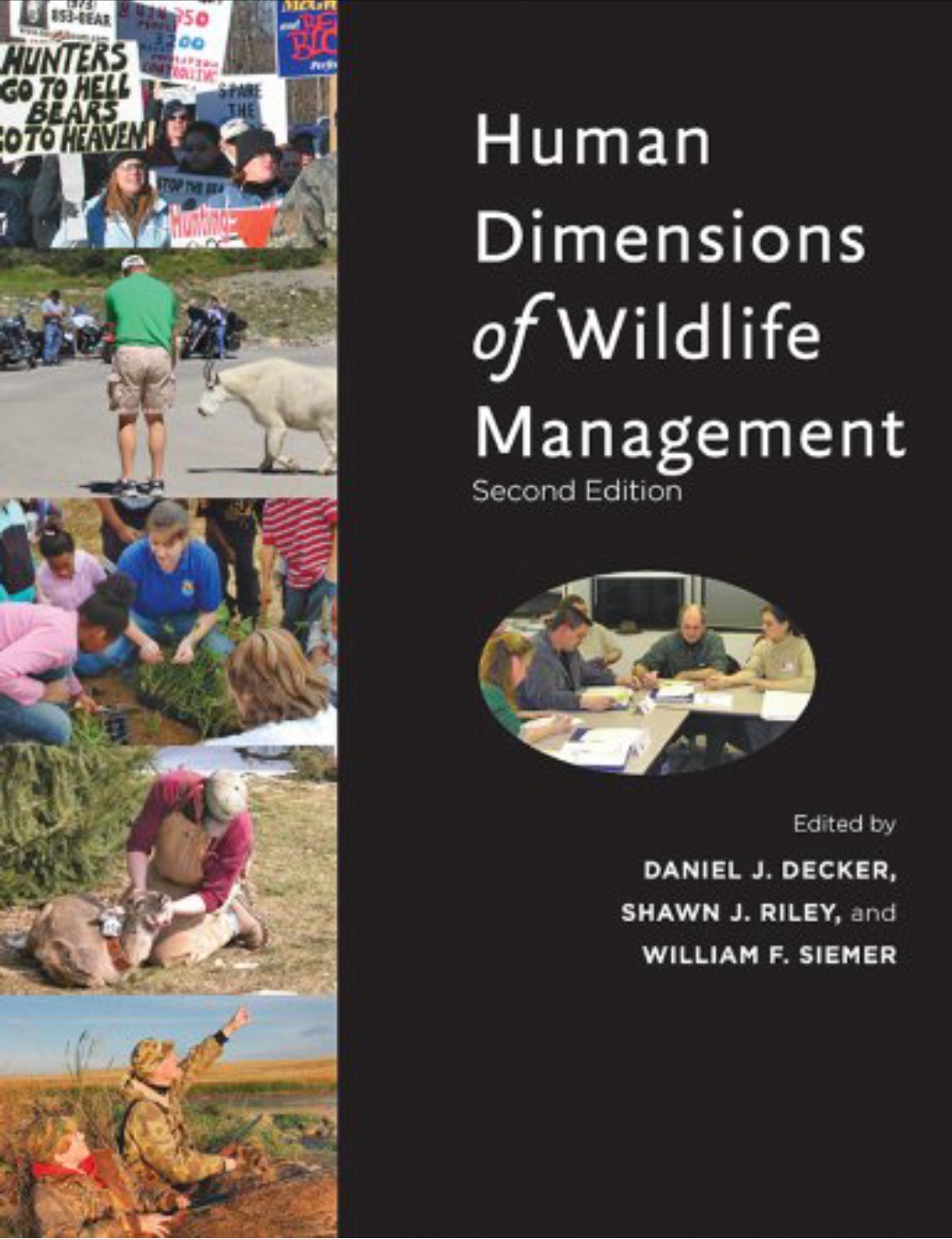
Human Dimensions of Wildlife Management
A comprehensive guide to understanding the human side of wildlife conflict and management. From identifying stakeholders to examining wildlife values and decision-making, this second edition provides a practical framework for professionals, students, and anyone working through complex wildlife issues.
“I had not devoured a professional text that quickly in years. It changed how I understood the conflicts communities were bringing to us and gave me a clearer framework for thinking about how we might begin to address them.”
Mountain lions
Three very different books explore mountain lion biology, field research, public perception, community change, conflict, and the enduring challenge of living alongside a successful predator.
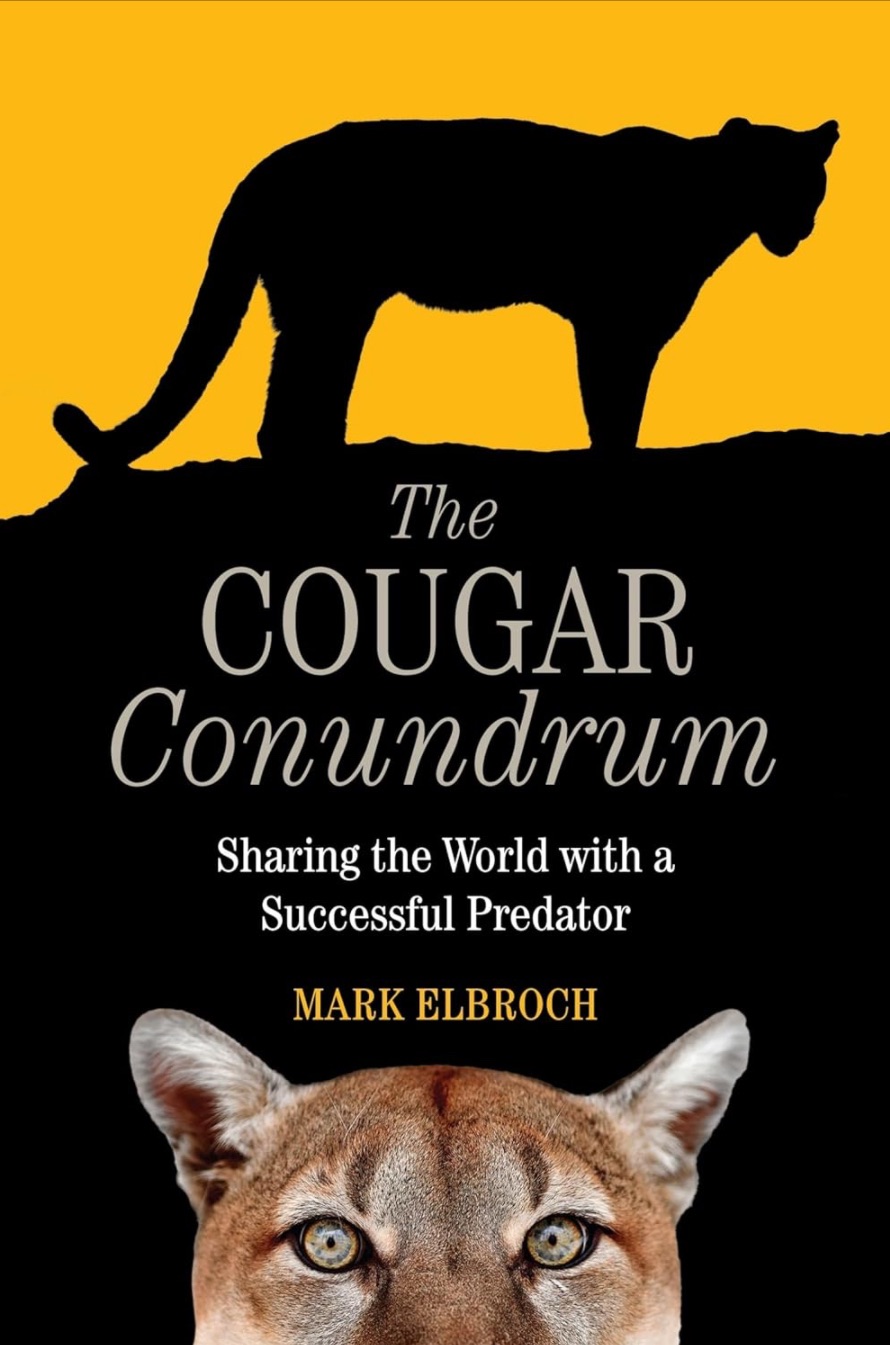
The Cougar Conundrum
Mountain lion biologist Mark Elbroch brings ecology, history, human safety, livestock concerns, and management debates together in a book written for both professionals and the general public. California examples help show why mountain lion management remains so complicated and often controversial.
“If you are new to mountain lions and do not know where to start, this is an approachable introduction to the species and to why managing lions can become so contentious.”
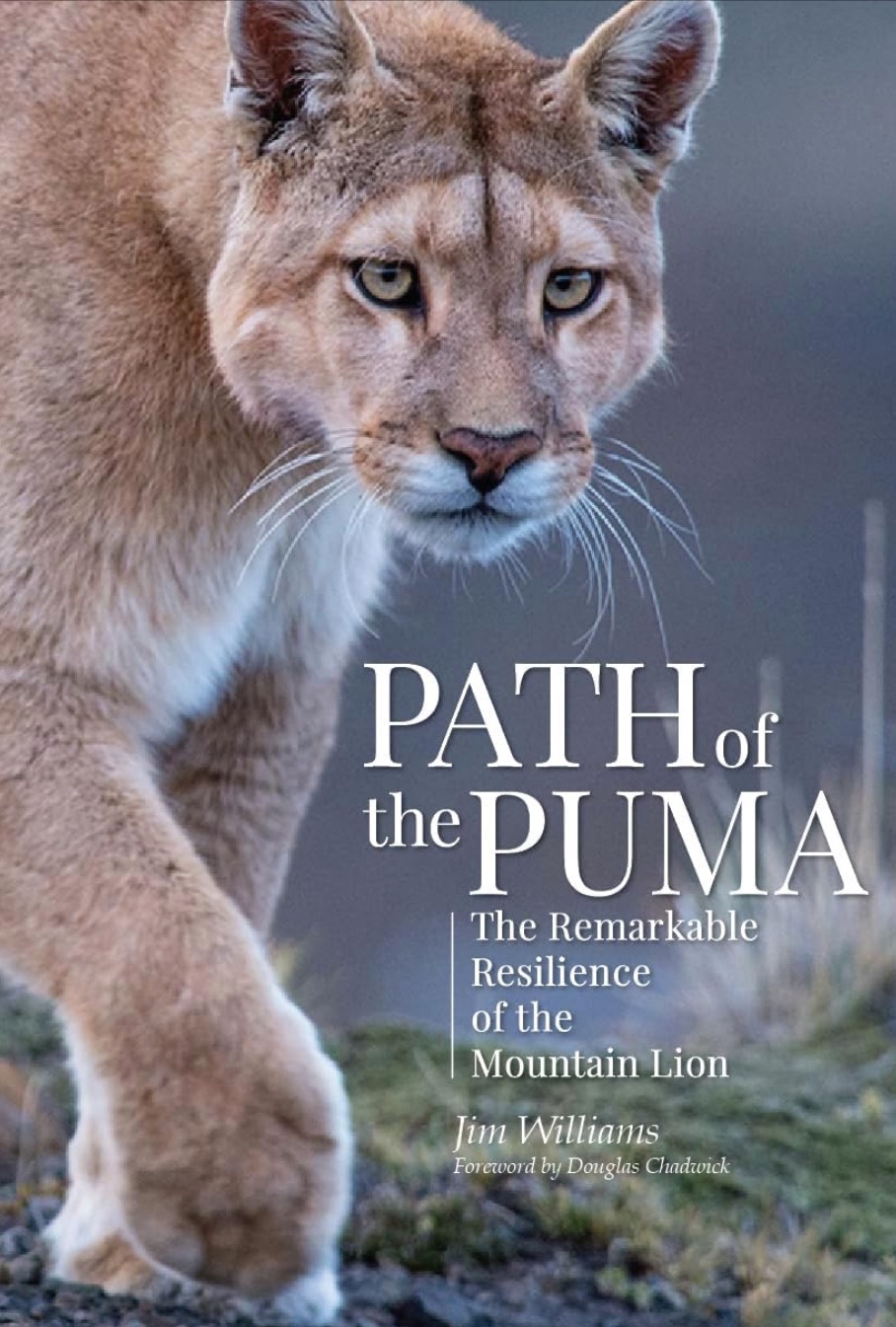
Path of the Puma
Drawing on decades of work with mountain lions in North America and Patagonia, Jim Williams combines personal narrative with ecology and conservation. The book expands beyond the biology of lions to show the challenges, uncertainty, and persistence involved in studying a wide-ranging and elusive carnivore.
“I loved this book and still quote it often. It is one of those rare works that makes the science memorable because it also lets you understand the people and field experiences behind it.”
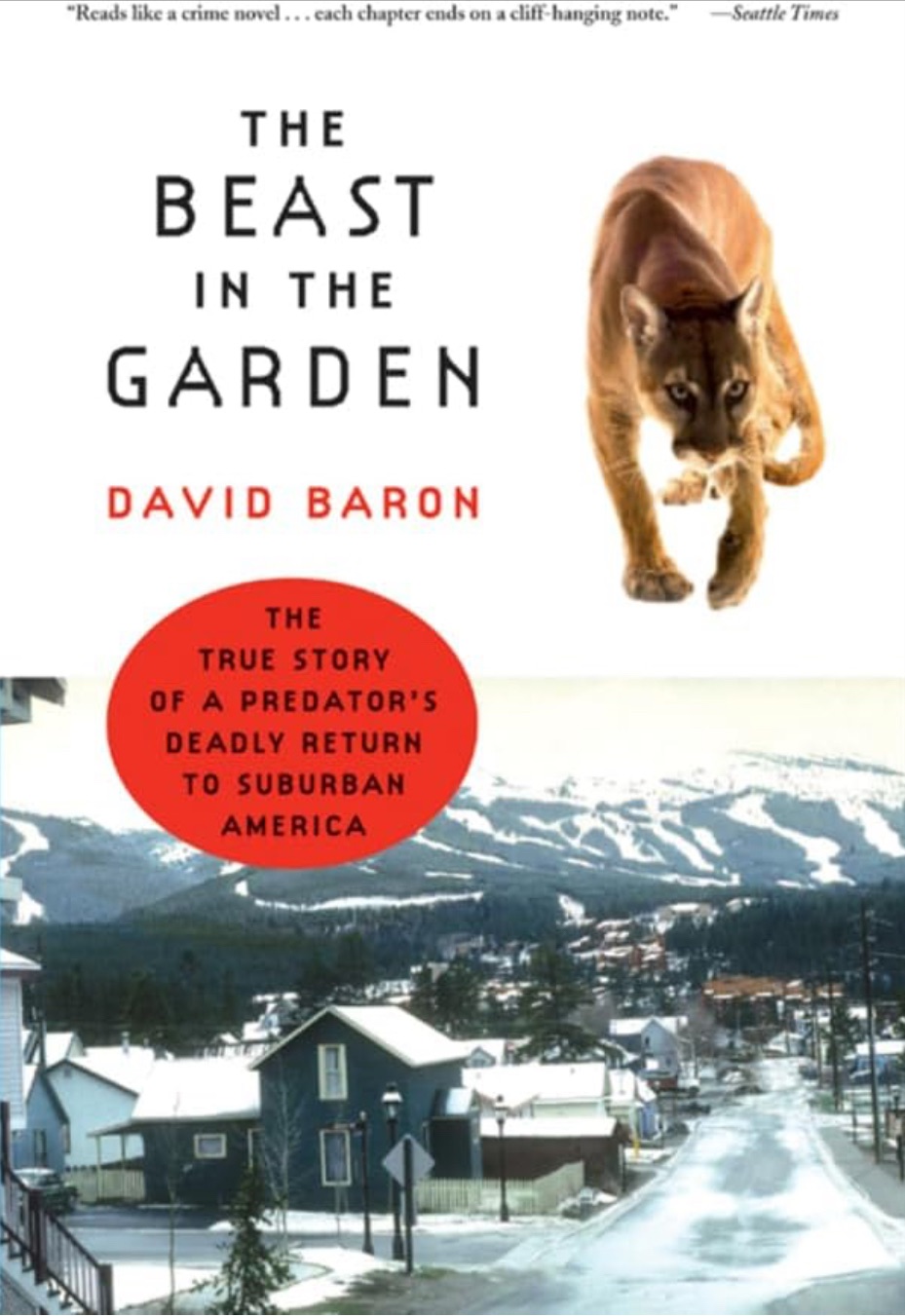
The Beast in the Garden
Centered on events preceding a fatal mountain lion attack near Boulder, Colorado, this book combines narrative, history, science, resident accounts, and changing attitudes toward wildlife. It examines how development, habituation, public perception, and wildlife management converged over time.
“This is an interesting and difficult read because its community dynamics can feel uncomfortably familiar. I read it both as a history and as a reminder that local reports, professional judgment, and public communication all matter before conflict escalates.”
Wolves
A firsthand account of wolf recovery and the human relationships required to study a returning carnivore across working landscapes.
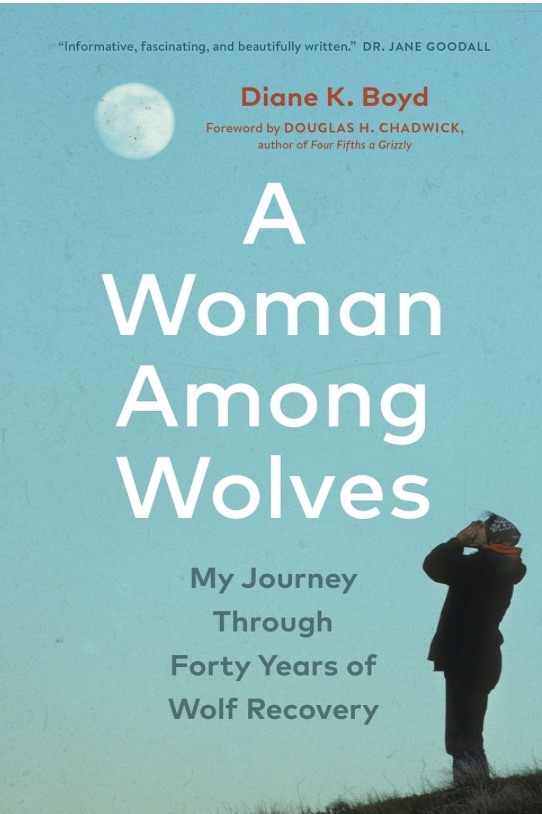
A Woman Among Wolves
Diane Boyd’s vivid storytelling brings readers into the life of a young wolf biologist working in remote Montana during the early years of wolf recovery. Encounters with wildlife, difficult field conditions, policy change, and relationships with rural communities reveal that recovering a predator is as much about people as it is about biology.
“Once I started reading, I could not put it down. I already understood the intelligence and resilience of wolves, but this book gave me a deeper appreciation for the individual animals, the field biologists, and the communities living through recovery.”
More recommendations will be added
This reading list will continue to grow as our work expands. We are especially interested in books that treat carnivore ecology, ranching, public safety, rural communities, conflict mitigation, and wildlife policy with evidence, nuance, and respect for the people most directly affected.
Have a thoughtful recommendation for our team? Send the title and author through our contact page. We cannot promise to list every submission, but we welcome suggestions that strengthen the range of perspectives represented here.