

If you encounter a mountain lion
Mountain lion encounters are uncommon, but knowing how to respond can help prevent the situation from escalating. Remain aware of your surroundings, keep children close, and never approach or attempt to follow a lion.
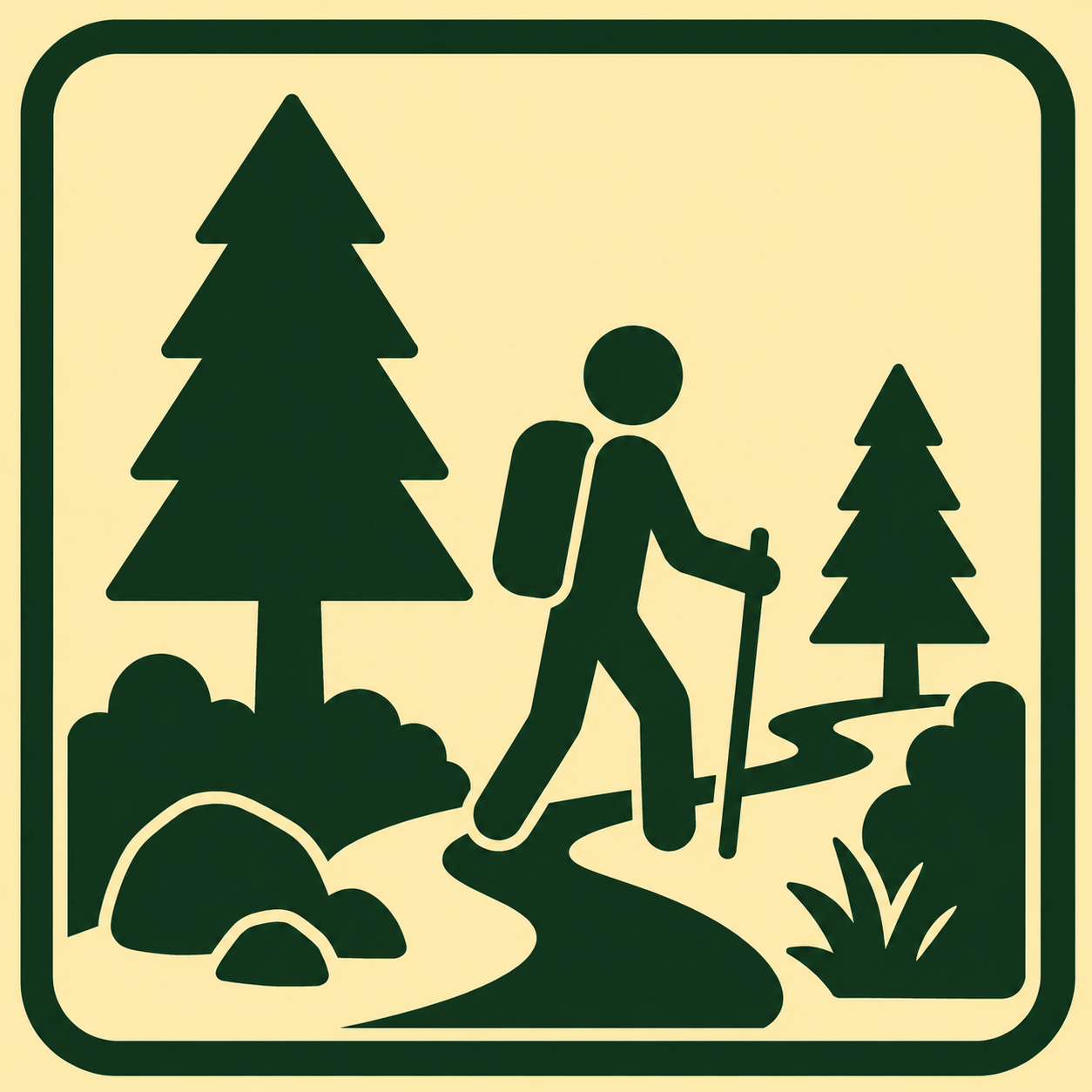
Stay aware of your surroundings
- Stay alert while hiking, biking, or recreating outdoors.
- Avoid headphones that prevent you from hearing nearby wildlife.
- Keep children close and do not allow them to run ahead.
- Travel with others when possible, especially around dawn and dusk.
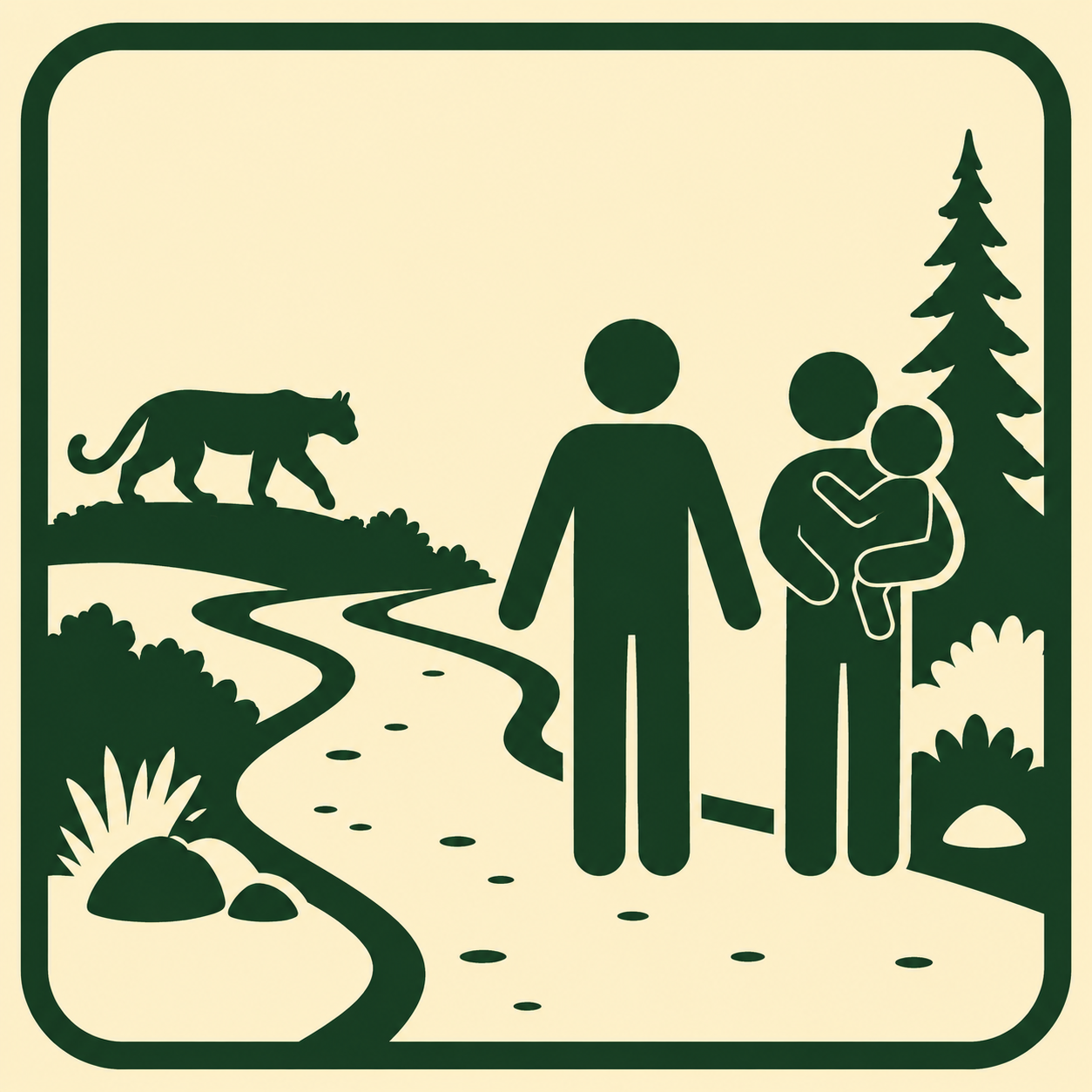
Stay calm and do not run
- Do not approach the lion.
- Face the animal and remain standing upright.
- Pick up small children without crouching or turning away.
- Give the lion a clear route to leave.
- Back away slowly while continuing to face the animal.
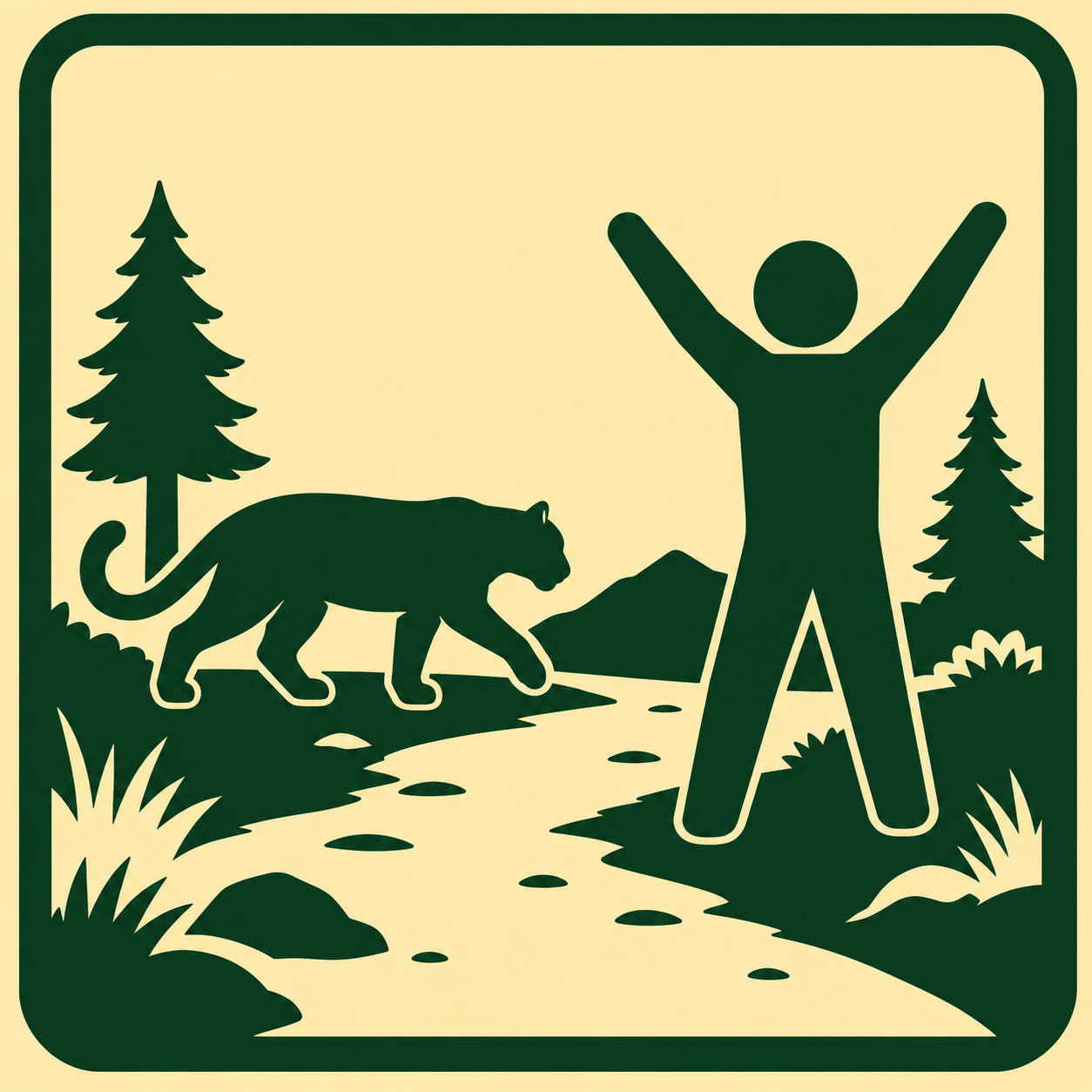
Appear large and intimidating
- Raise your arms or open your jacket.
- Speak firmly and make loud noise.
- Stay with your group and stand close together.
- Throw rocks, sticks, or other objects if the lion continues approaching.
- Do not crouch or turn your back while reaching for an object.
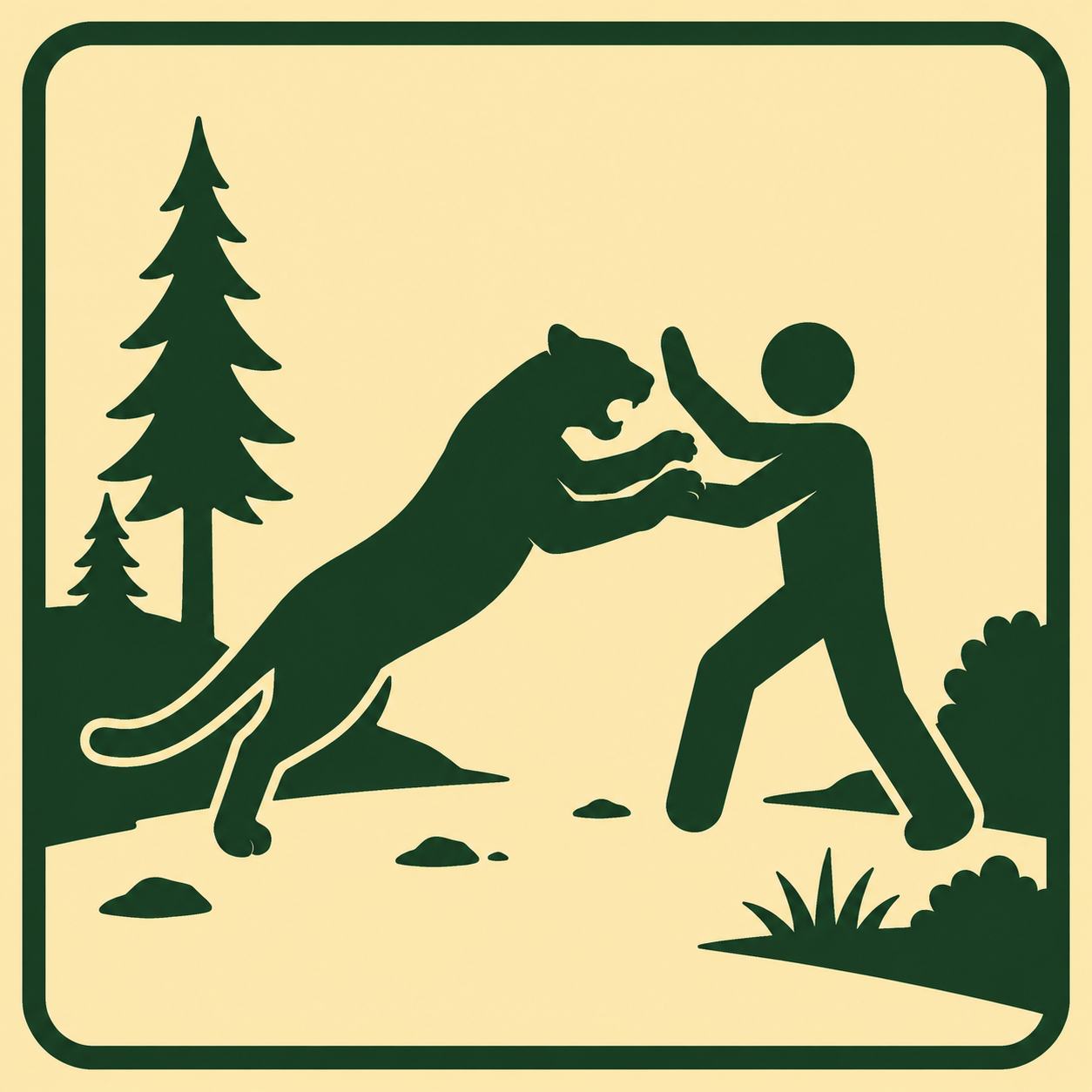
Fight back
If the lion attacks, fight back aggressively. Try to remain standing and protect your head and neck.
- Use rocks, sticks, jackets, tools, or other available objects.
- Use a backpack or bicycle as a shield when possible.
- Continue resisting until the lion disengages.
If you encounter a black bear
Black bears live throughout much of California, and an encounter may be more likely in communities, campgrounds, and recreation areas where people and bears share space. Most encounters end without injury when people remain calm and give the bear room to leave.
A bear’s behavior and the circumstances of an encounter matter. Avoid approaching, surrounding, feeding, or blocking the bear’s escape route. Be especially cautious around cubs, food, or an animal that has been surprised at close range.
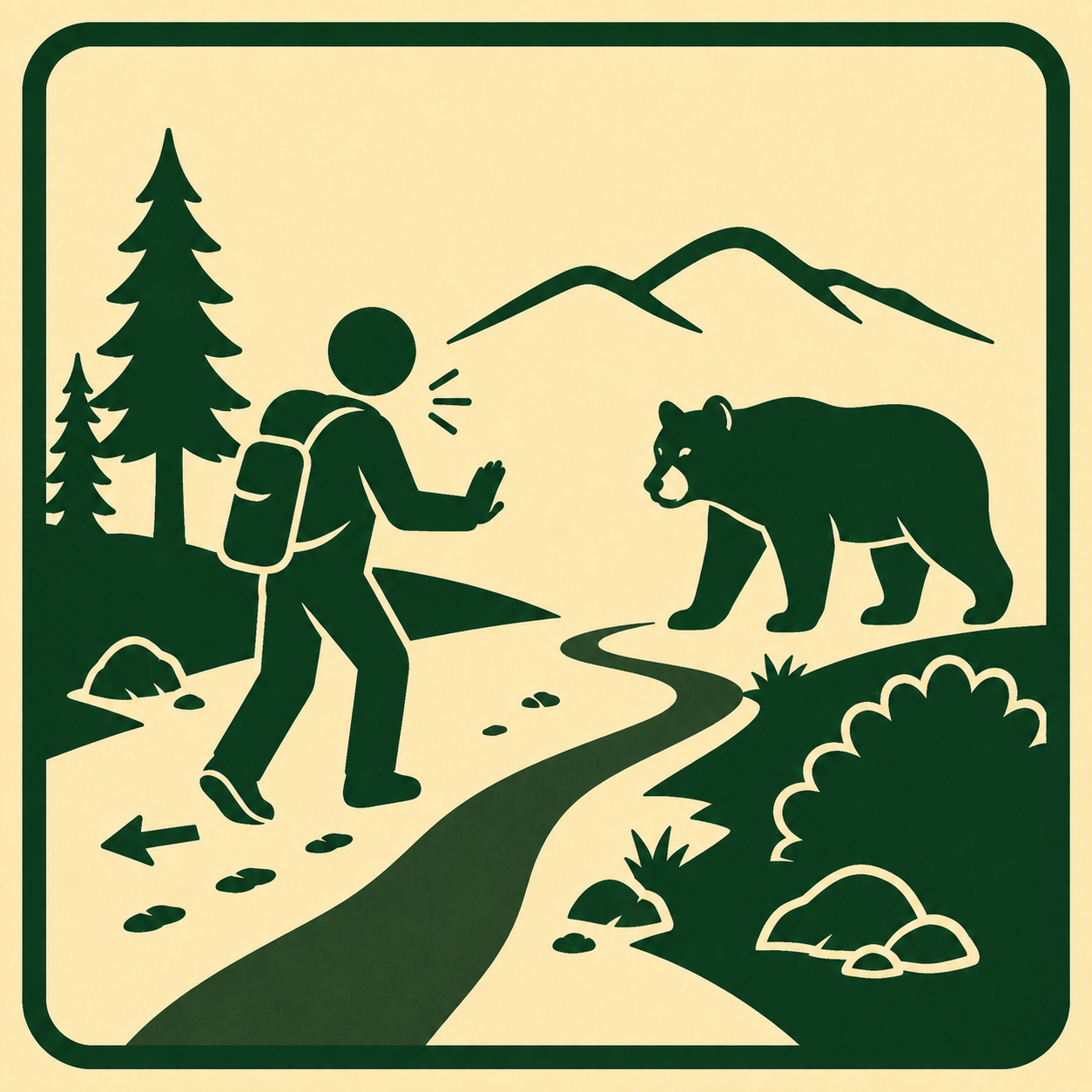
Stay calm and do not run
Face the bear, speak calmly, and move away slowly. Running may trigger a chase response.
- Do not approach or attempt to follow the bear.
- Keep watching the animal as you create distance.
- Leave the bear a clear route to escape.
- Do not turn your back or make sudden movements.
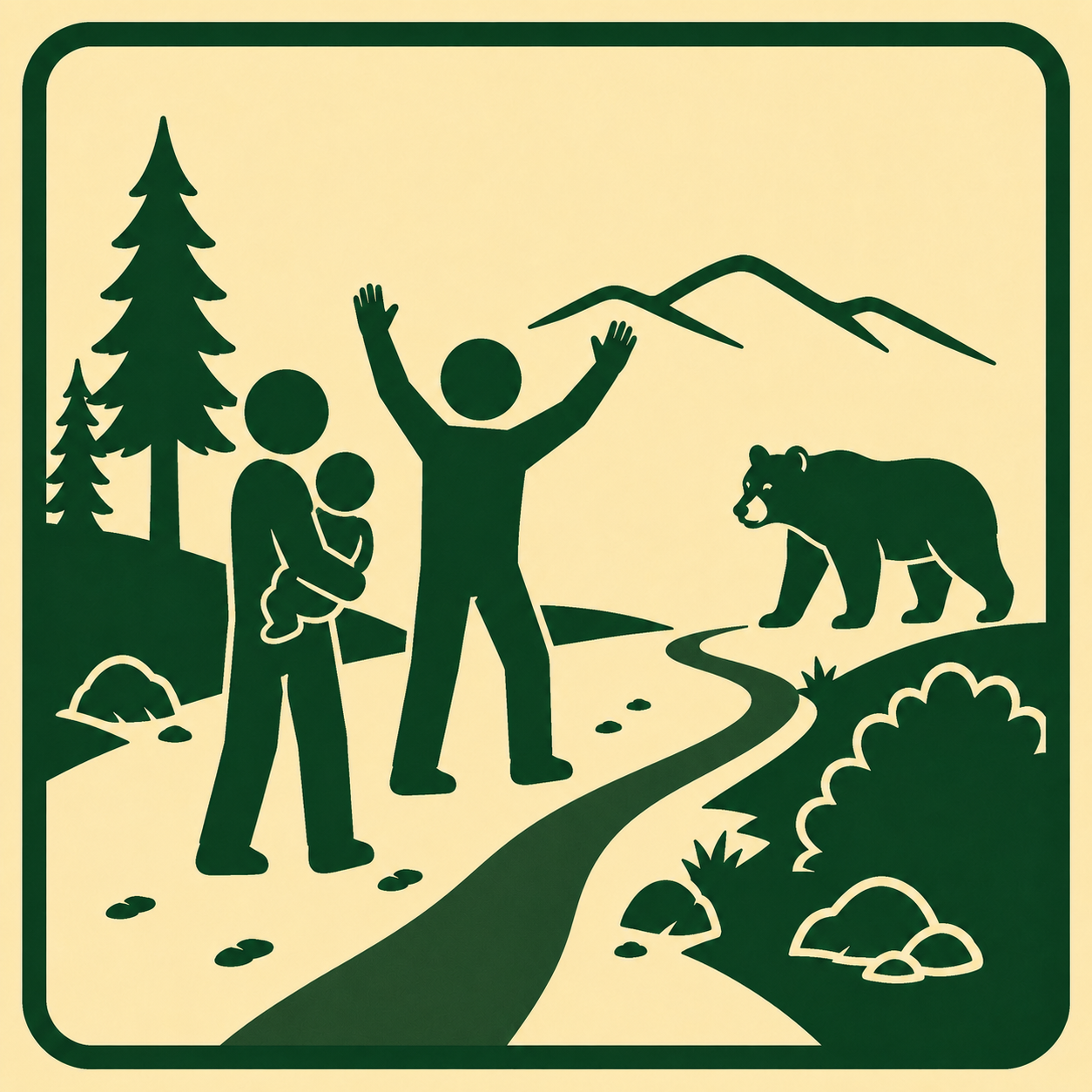
Keep your group together
Pick up small children if possible, stand together, and make your group appear larger.
- Raise your arms and stand upright.
- Speak firmly without screaming or panicking.
- Do not allow children or pets to run.
- Keep your backpack with you; it may provide protection.
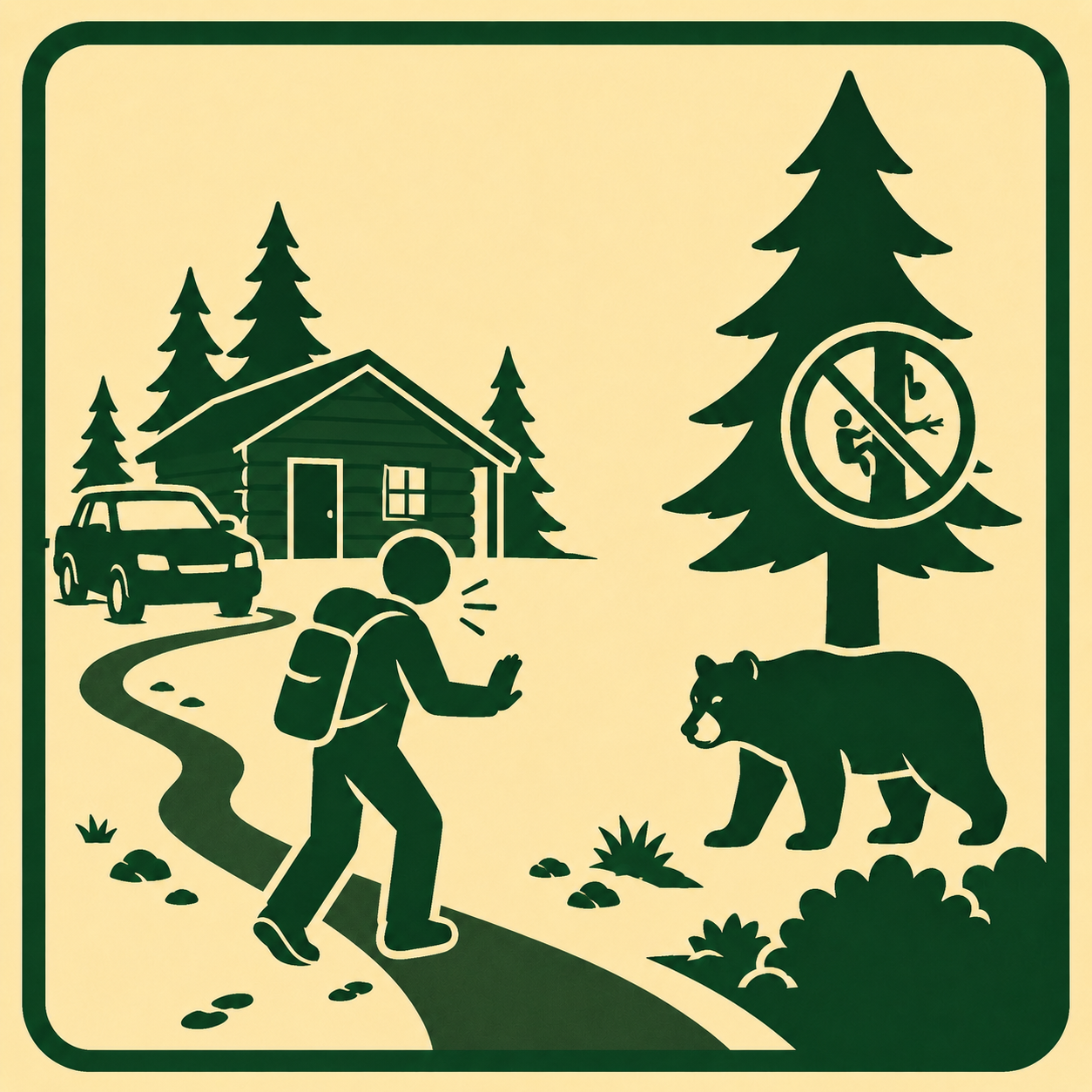
Move toward secure shelter
If it is safe to do so, move toward a vehicle, building, or other secure structure while continuing to monitor the bear.
- Do not climb a tree; black bears are skilled climbers.
- Do not block the bear’s path or trap it in an enclosed area.
- Never move closer for a photograph.
- Once secure, allow the bear time and space to leave.
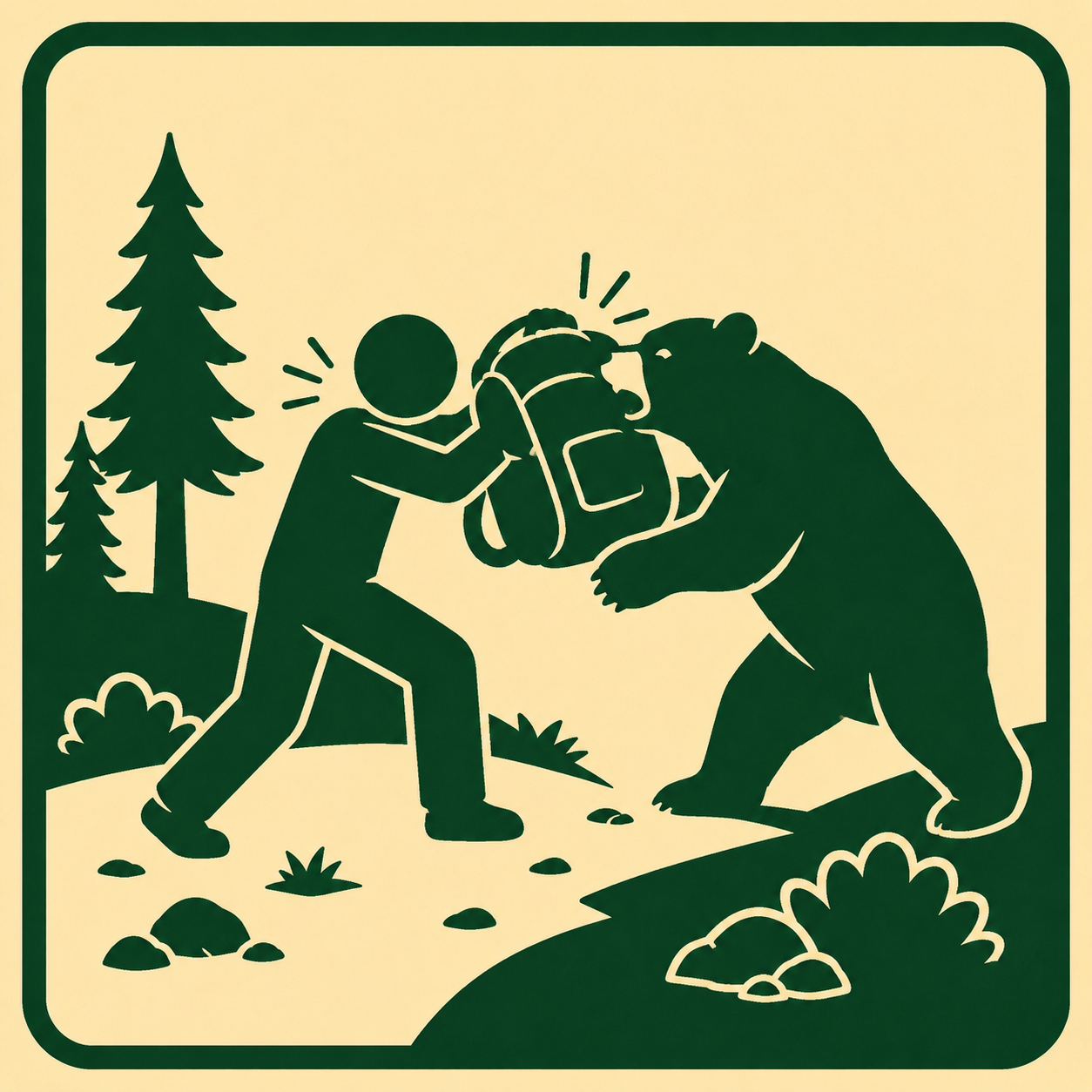
Fight back—do not play dead
If a black bear attacks, try to escape to a secure place. If escape is not possible, fight back aggressively.
- Focus blows on the bear’s face, eyes, and muzzle.
- Use rocks, sticks, or any available object.
- Use your backpack as a shield when possible.
- Continue defending yourself until the bear disengages.
Guidance is based on current National Park Service bear-safety recommendations . Every wildlife encounter is different, and no guidance can guarantee safety.
After a sighting or encounter
Once you are safe, report mountain lion, black bear, and gray wolf sightings to Carnivore Project. Community reports help us document wildlife activity, identify patterns, and maintain public information resources.
Use the county-services directory when an animal remains in the area, the situation involves livestock or pet loss, or you need the appropriate local agency for follow-up.
Safety and reporting disclaimer
The information on this page is provided for educational purposes and is based on publicly available wildlife-safety guidance, including recommendations from the National Park Service and the California Department of Fish and Wildlife . Wildlife behavior is unpredictable, and no guidance can guarantee safety.
Carnivore Project’s reporting form is a voluntary community science tool and is not an official report to the California Department of Fish and Wildlife, law enforcement, emergency services, or another government agency. Complete any legally required or official reporting directly with the appropriate agency. Do not delay contacting emergency or wildlife authorities in order to submit a Carnivore Project report.
Exercise caution, follow current instructions from local authorities and land managers, and verify county-specific contact information when assistance is needed. Carnivore Project is not responsible for injury, loss, or damage resulting from reliance on this educational information.